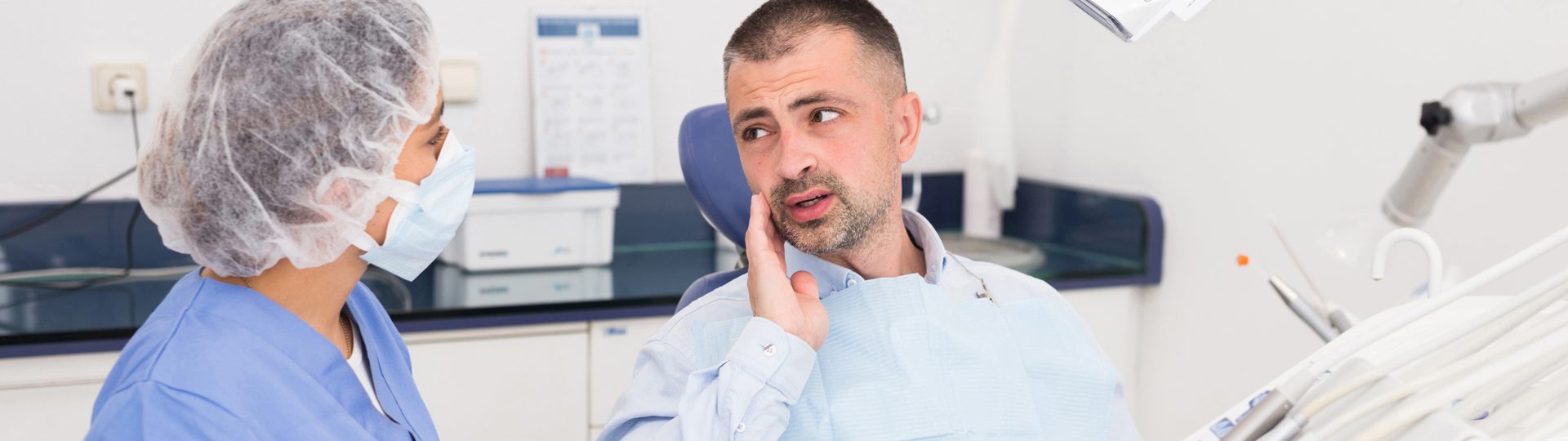
Emergency Dentist in Bayside: What to Do When Sudden Tooth Pain Strikes
A tooth can feel perfectly fine during breakfast and become impossible to ignore by dinner. That sudden shift often catches people off guard. What starts as mild discomfort may quickly turn into sharp, throbbing pain that interrupts eating, sleeping, or even speaking. If you’re searching for an emergency dentist in Bayside, knowing what to do in those first few hours can make a meaningful difference. While some dental discomfort settles with simple care, severe or persistent pain often signals an underlying problem that deserves prompt professional attention.
Why Sudden Tooth Pain Should Never Be Ignored
Tooth pain is your body’s way of signaling that something is wrong. The cause may range from minor irritation to an infection that requires immediate treatment. Putting off treatment can give the problem time to progress, making the pain harder to manage and the solution more involved.
Common severe toothache causes include:
- Deep tooth decay reaching the nerve
- A cracked or fractured tooth
- Dental abscess or infection
- Gum disease affects the surrounding tissues
- Damaged fillings or crowns
- Trauma from an accident or sports injury
The American Dental Association encourages patients to seek timely evaluation when pain is severe, persistent, or accompanied by swelling, fever, or difficulty swallowing.
When Is Tooth Pain Considered a Dental Emergency?
Not every toothache requires immediate treatment, but certain symptoms should be evaluated without delay.
Seek prompt care if you experience:
- Intense pain lasting several hours
- Swelling of the face or gums
- Fever alongside dental pain
- Bleeding that does not stop
- A knocked-out or broken tooth
- Difficulty opening your mouth or swallowing
These symptoms could point to an infection or dental injury that requires urgent dental care in Bayside, NY, before complications develop.
How Dentists Diagnose Sudden Tooth Pain
Tooth pain can have many different causes, so the first priority is figuring out where it’s coming from. Your dentist will carefully examine the affected area and may use digital X-rays or other diagnostic tools to determine what’s causing your symptoms.
Your evaluation may include:
- Reviewing your symptoms and medical history.
- Examining the affected tooth and surrounding gums.
- Taking digital X-rays when necessary.
- Performing sensitivity or bite tests.
- Checking for infection, cracks, or nerve involvement.
Many dental issues share similar symptoms, so understanding what’s causing the pain helps guide the best course of treatment.
Tooth Pain Emergency Treatment: What Are Your Options?
The appropriate emergency treatment for tooth pain depends entirely on the underlying cause, not on simply masking discomfort.
Possible treatments include:
- Removing decay and placing a filling
- Root canal therapy for infected pulp
- Repairing chipped or fractured teeth
- Draining an abscess when infection is present
- Replacing damaged restorations
- Tooth extraction when the tooth cannot be saved
Treatment is designed to address the cause of the pain while preserving as much of your natural tooth as possible.
Emergency Tooth Pain Relief Before Your Appointment
Although professional treatment remains essential, these measures may provide temporary relief from emergency tooth pain until you are seen.
- Rinse gently with warm salt water.
- Brush carefully to remove trapped food.
- If your face is swollen after an injury, place a cold compress on the outside of the affected area for short periods.
- If appropriate for you, an over-the-counter pain reliever may help ease discomfort when used as directed on the label.
- Avoid extremely hot, cold, or sugary foods if they worsen discomfort.
Don’t place aspirin directly on your gums. It can irritate the tissue and won’t treat the source of the pain.
Why Tooth Pain Gets Worse at Night
Many people notice their discomfort becomes more intense after bedtime. Several factors contribute to this pattern.
When you lie down, changes in blood flow can increase pressure around an inflamed tooth, making discomfort more noticeable. At night, fewer distractions also make pain feel more noticeable. In addition, untreated infections and inflammation naturally continue to progress regardless of the time of day.
If nighttime pain repeatedly disrupts sleep, schedule an evaluation rather than relying on temporary relief.
Expert Insight: Early Treatment Often Means Simpler Care
Many people wait, hoping the pain will settle on its own, but that rarely happens when an infection is involved. Unfortunately, tooth infections rarely resolve without treatment.
Early intervention may:
- Preserve more natural tooth structure
- Reduce the likelihood of infection spreading
- Lower the need for complex procedures
- Improve long-term oral health outcomes
The CDC reports that untreated cavities remain a widespread oral health concern, which is why it’s best not to ignore persistent tooth pain.
Practical Steps You Can Take Today
If sudden tooth pain develops:
- Stay calm and assess your symptoms.
- Rinse your mouth with warm water.
- Avoid chewing on the affected side.
- Contact a dental office as soon as possible.
- Follow temporary pain management recommendations until your appointment.
Acting early gives your dentist the best opportunity to treat the problem before it progresses.
Final Thoughts
A sudden toothache should never be ignored. It is often a warning sign that deserves prompt attention. Seeking an emergency dentist in Bayside early can help protect your oral health, reduce discomfort, and prevent more serious complications. If you need compassionate care, Dental Expressions by Dr. Gary Bram provides comprehensive emergency dental services that identify the cause of pain and help patients return to comfortable, healthy smiles.
Frequently Asked Questions
Author's Bio

Dr. Gary Bram
DDS
As an emergency dentist in Bayside, NJ, Dr. Gary Bram provides prompt care for dental pain, injuries, and urgent issues. His timely treatment helps prevent further complications. Patients rely on his availability and expertise during dental emergencies.